Libido vs Testosterone: Different Questions, Different Evidence
Male-vitality marketing often merges distinct outcomes. Separating them makes product research more rational.
Libido and testosterone are related, but not interchangeable
Sexual desire can be influenced by hormones, stress, sleep, mental health, relationship factors, medication, illness and other variables. Testosterone is one possible contributor, not a universal explanation for low libido.
Erectile function is another distinct outcome
Libido describes desire. Erectile function describes the ability to achieve and maintain an erection. A person can have strong desire and erectile difficulty, or low desire without erectile dysfunction. Marketing that collapses all three concepts—libido, testosterone and erections—into one “male vitality” problem can obscure useful diagnosis.
Why this matters for supplement comparison
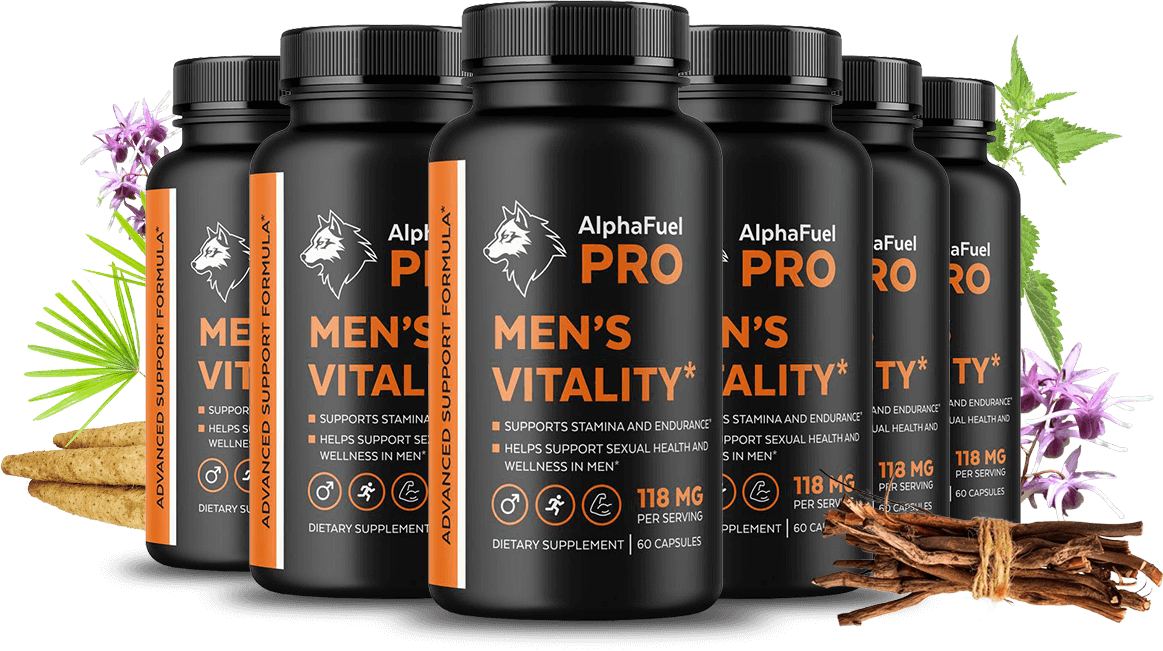
AlphaFuel Pro's seller page leans heavily into sexual-performance language, while products such as Testogen, TestoPrime and Nugenix Total-T are marketed more explicitly around testosterone support and gym/energy outcomes. Those are overlapping, not identical, search intents.
When to stop shopping and start asking for medical evaluation
Persistent or sudden changes in sexual function, libido or energy deserve appropriate medical attention, especially when accompanied by other symptoms or medication changes.